A practical visual merchandising playbook for sourcing teams and cross-border sellers to shoot, edit and merchandise crochet top imagery that converts across marketplaces, DTC and wholesale channels.
Executive Summary: Why Crochet Top Imagery Decides the Sell-Through
For cross-border sellers and private-label buyers, thecrochet topcategory is one of the most photography-sensitive segments in womenswear. Unlike a plain jersey tee, the value ofcrochet clothesis carried almost entirely by texture, openwork detail, stitch density and the way light passes through the fabric. If those cues are missing from the product image, click-through rate collapses, conversion drops and returns spike. This guide gives sourcing managers, Amazon and Shein-tier sellers, and DTC merchandisers a repeatable framework to brief factories, art-direct shoots and QC final imagery for the crochet category. It aligns visual output with what buyers actually decide on: fit, transparency, hand-feel proxies and trim quality. It also shows how a vertically integrated supplier such asEaoy Fashioncan support consistent sample-to-bulk imagery for repeat programs.
Why Visual Merchandising Is Non-Negotiable for This Category
Crochet is a tactile product sold through a flat screen. Buyers on Amazon, TikTok Shop, Temu, Shein and independent Shopify stores cannot touch the stitch, so the photo has to do three jobs at once: prove the craftsmanship, communicate the silhouette, and manage transparency expectations to reduce returns. For B2B buyers ordering at scale, poor imagery has a compounding cost. A weak main image lowers organic ranking, forces higher ad spend to buy visibility, and inflates the return rate, which erodes margin on an already trend-sensitive SKU.
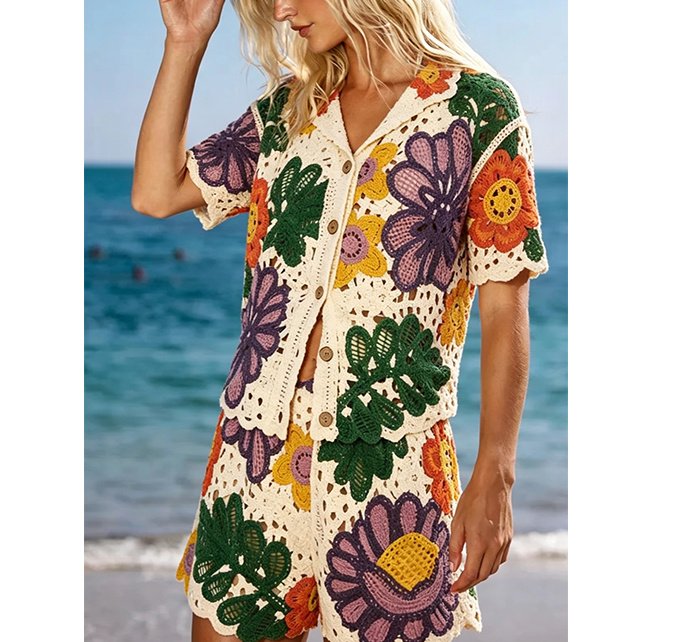
There is also a merchandising angle. Crochet tops are typically bought as part of a summer, resort or festival capsule. Marketplace algorithms reward cohesive listing sets, so image styling has to be consistent across the capsule, from crop tops and blouses to cover-ups and matching sets. Sellers who treat photography as a one-off cost usually rebuild the shoot within 90 days. Sellers who standardize a shot list and lighting recipe with the factory get faster reorders and cleaner A+ content. If you are still evaluating suppliers for a capsule launch, a scan of thecrochet product catalogis a useful starting point to define your shot list before development.
Technical and Sourcing Criteria Buyers Should Evaluate
Before you brief a photographer, you have to be sure the sample itself is shootable. A crochet top that looks acceptable on a hanger can fall apart under a beauty light. Evaluate the following before greenlighting a bulk shoot.
1. Stitch Definition and Yarn Count
Ask the factory for the yarn count, ply and stitch density per 10 cm. Coarser yarns photograph better on marketplace thumbnails because the openwork reads at small sizes. Finer yarns look premium in editorial imagery but need higher resolution and softer light to avoid a muddy on-screen result.
2. Openwork Transparency Level
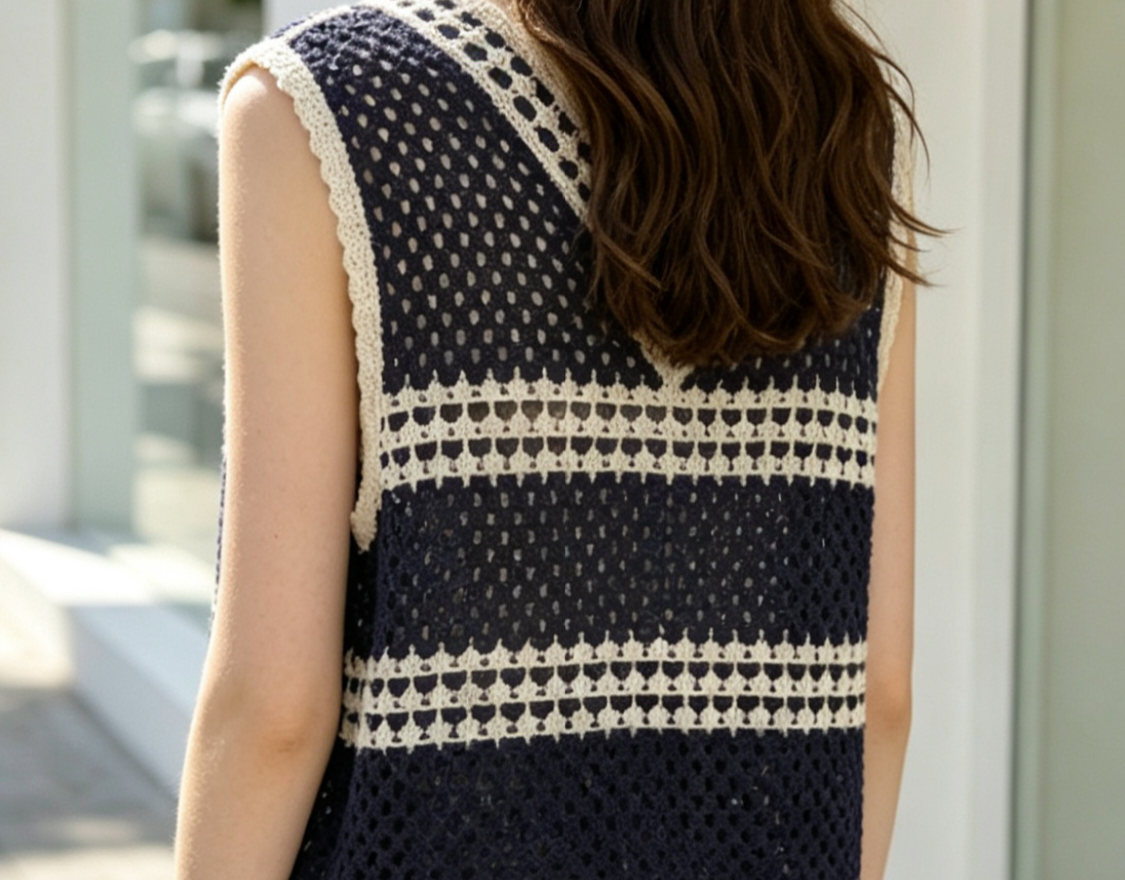
Grade transparency on a simple three-tier scale: opaque, semi-sheer, sheer. Your photography must communicate this honestly. Under-disclosing transparency is the number one driver of negative reviews oncrochet toplistings, and it is fully avoidable at the styling stage with a correctly toned base layer.
3. Trim, Lining and Finishing
Hem finishing, neckline binding, button loops and crochet motif attachment are the details that separate a $6 FOB product from a $14 FOB product. Your close-up shot list must include these, because that is where B2B buyers on wholesale platforms verify quality.
4. Colorfastness for Studio Lighting
Natural cotton and viscose crochet can shift under strong tungsten or LED light. Confirm dye lot consistency with the factory and shoot a color reference card in every setup so post-production can match the on-model image to the flat lay.
How Eaoy Fashion Solves the Production Side of Great Imagery
Great crochet photography starts with a consistent, shootable garment. This is where production capability directly feeds marketing output. Eaoy Fashion positions itself as a source factory forcrochet clothes, combining computer embroidery and imitation crochet techniques to reproduce the visual language of handmade crochet at industrial scale. For a cross-border seller, the practical benefit is that the sample you photograph, the PP sample you approve, and the bulk units your customers receive share the same stitch geometry and openwork pattern. That consistency is what allows a single hero shoot to serve months of listings without re-shooting after every production run.
On the compliance side, Eaoy Fashion states BSCI certification and a completed Walmart factory audit as brand-provided claims, which matters for buyers who need to plug a crochet program into a chain retailer or a marketplace with vendor compliance requirements. On the capacity side, the brand reports a facility of over 9,000 square meters, more than 200 staff, 60-plus specialized machines and a daily output in the thousands of pieces, which supports the kind of repeat, in-stock imagery strategy that marketplace algorithms reward. OEM and ODM support covers pattern development, fabric sourcing, sampling and bulk, so the visual identity of your capsule can be locked in at the tech pack stage rather than fixed later in Photoshop. You can review the full scope on theOEM and ODM service pageor read the company background on theAbout Eaoy Fashionpage.
Practical Checklist: Shot List, QC, Packaging and Reorder Planning
Below is a working checklist you can hand to your photographer, your QC team and your factory merchandiser. Treat it as the visual merchandising SOP for every crochet top drop.
Shot List for a High-Converting Crochet Top Listing
– Main image on white: front on-model, natural daylight-balanced light, garment centered, minimum 2000 px on the long edge, marketplace-compliant background.
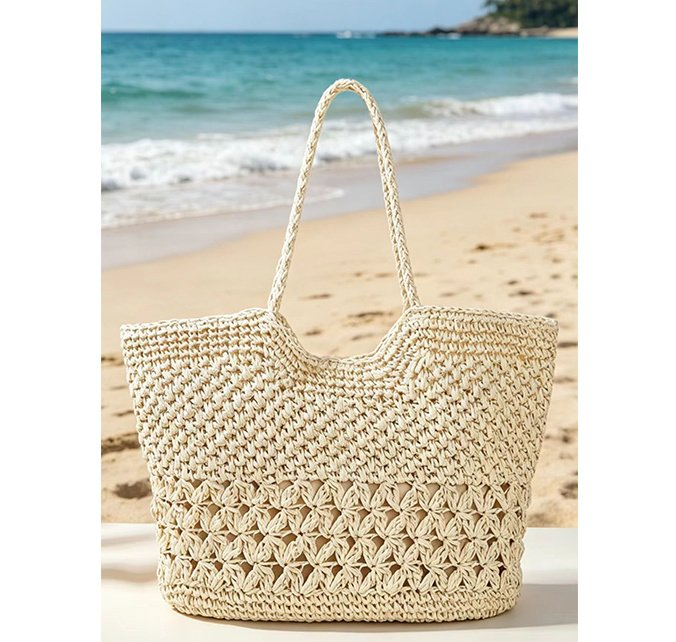
– Texture macro: 1:1 crop on the stitch, showing openwork and yarn twist. This is the shot that justifies price.
– Transparency reference: on-model image with a neutral bralette or tank underneath, so buyers see exactly how sheer the piece is.
– Back and side views: critical for tie-back, halter and open-back styles common in crochet.
– Flat lay with measurements: optional but strongly recommended for wholesale line sheets.
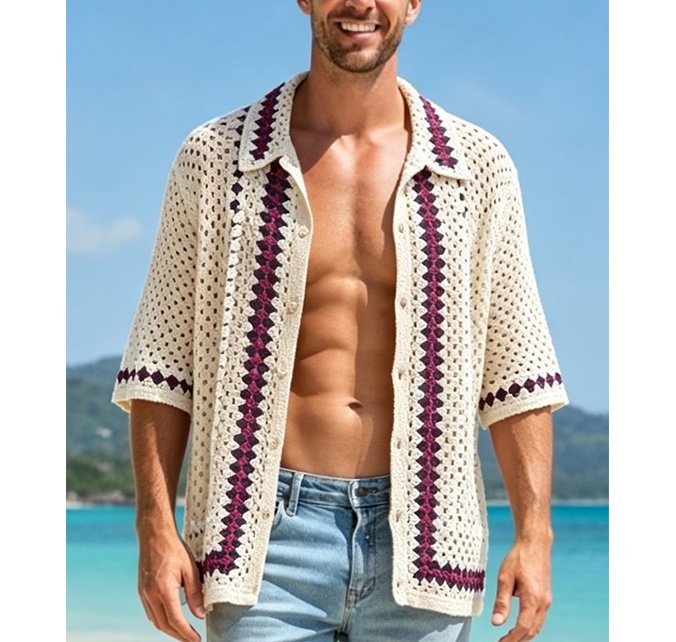
– Lifestyle context: beach, poolside or urban resort, matching the buyer's actual selling season.
– Detail crops: neckline, hem, closure, motif attachment, care label.
QC Checkpoints That Protect the Image
– Inline check on stitch tension every 500 pieces to prevent openwork distortion.
– Final AQL inspection with a focus on loose ends, snagged yarn and asymmetric motifs.
– Color check under D65 light against the approved lab dip.
– On-model try-on for the first 10 bulk pieces to confirm the sample-approved fit is holding in production.
Packaging, Lead Time and Reorder
– Packaging: individual polybag with silica gel for humid transit lanes, hangtag facing the openwork detail so unboxing photos reinforce the product story.
– Lead time: lock a realistic 35 to 55 day bulk window for crochet programs, longer if custom motif development is involved.
– Reorder planning: keep a yarn and dye reservation with the factory for your top three SKUs, so the second wave of images matches the first without color drift.
– Asset versioning: archive RAW files by SKU and season so you can rebuild A+ content and social creative without a full re-shoot.
For deeper category and trend context, the Eaoy Fashionnews and insights sectionis a useful reference when planning next season's capsule.
Ready to Build a Crochet Program That Photographs and Sells
Strong crochet imagery is not a filter or a preset. It is the visible output of a controlled supply chain, honest styling and a disciplined shot list. If you are scoping a new capsule, migrating an existing crochet program to a more compliant supplier, or looking to stabilize sample-to-bulk consistency ahead of a marketplace push, it is worth having a direct conversation with a source factory. Reach out through theEaoy Fashion contact pageto discuss tech packs, MOQ, lead times and how the production side can be aligned with your visual merchandising plan from day one.