Crochet Kids Wear Market Analysis: Eco-Friendly, Skin-Safe Opportunities for B2B Buyers
A B2B market analysis of crochet kids wear opportunities, sourcing criteria, and Eaoy Fashion's production approach.
Why Crochet Styles Are Gaining Traction in Kidswear
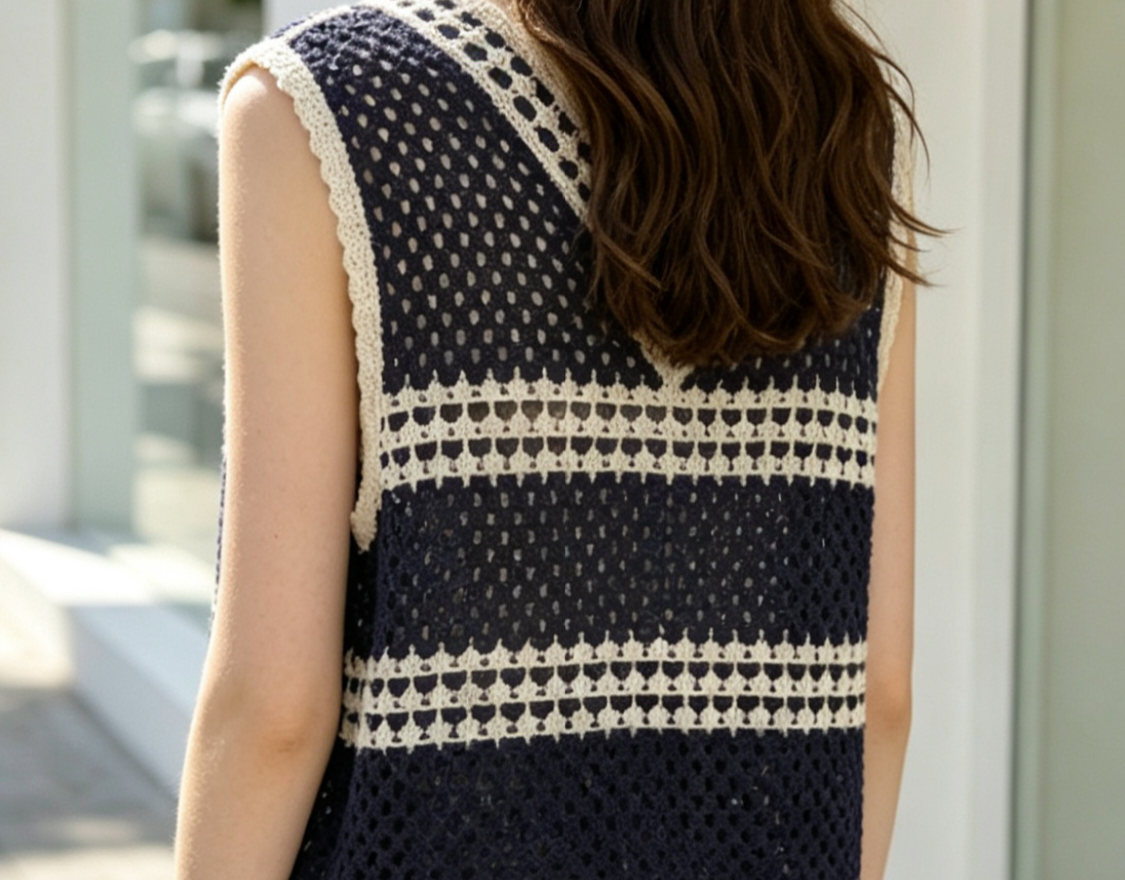
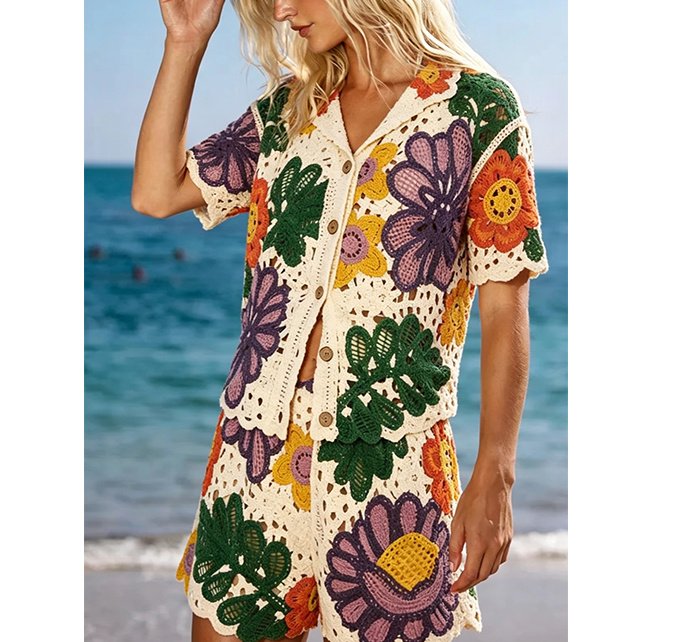
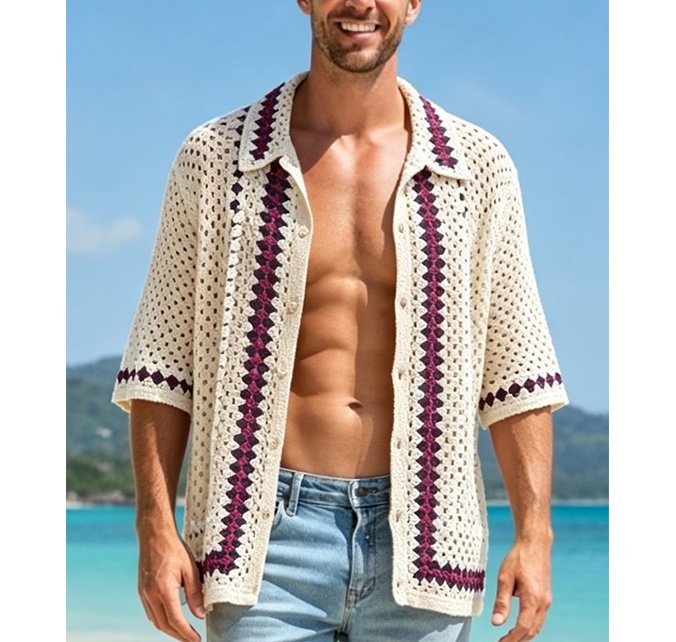
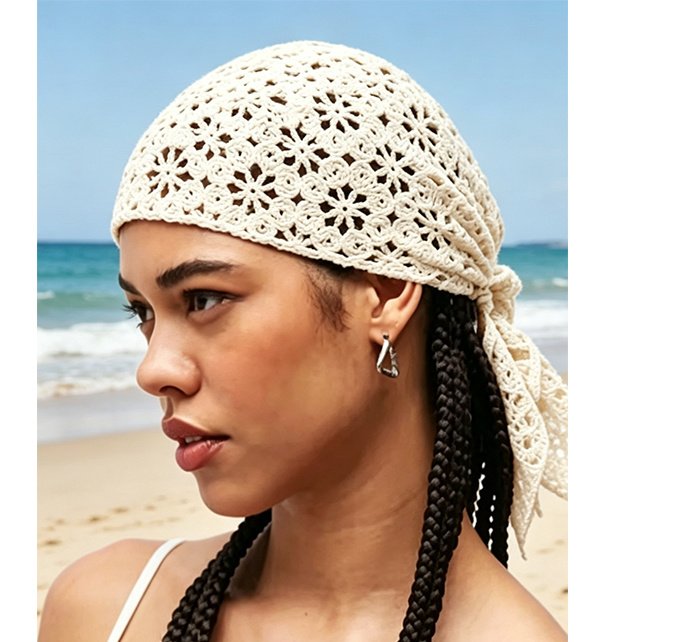
For B2B buyers,crochet kids wearis more than a seasonal trend. It sits at the intersection of three commercial priorities that matter to brands, retailers, and e-commerce sellers: a handcrafted visual language, a soft and breathable product story, and a strong fit with premium positioning. In North America, Japan, and Korea, buyers are increasingly looking for childrenswear that feels eco-friendly, looks distinctive on shelf and online, and can still be sourced with repeatable quality at scale.
The category is attractive because it solves a common merchandising problem. Basic kidswear is crowded, price-sensitive, and difficult to differentiate. Crochet-inspired pieces, by contrast, can create a stronger first impression without relying on loud prints or complex trims. They work especially well in resort drops, gifting programs, sibling-matching capsules, photo-friendly lifestyle collections, and limited seasonal assortments. For e-commerce sellers, the texture and craftsmanship cues also help products stand out in thumbnails and product pages.
At the same time, the real market gap is not handmade craft itself. Pure handmade production is slow, inconsistent, and difficult to scale. That creates a sourcing opportunity for suppliers who can reproduce the same artisanal look with industrial reliability. If your team is building a private-label line or evaluating a new vendor base, start by reviewing Eaoy Fashion's capability overview on thehomepageand itsproduct range.
For compliance-driven buyers, the appeal is even clearer. Crochet kids wear can be positioned as a premium, skin-conscious alternative to heavy novelty garments, as long as the factory controls yarn choice, handfeel, trim safety, and wash performance. That is why this category is now a practical sourcing conversation, not just a design trend.
From a blue-ocean perspective, the best opportunities usually appear where a category has visual novelty but operational simplicity. Crochet-inspired kidswear can deliver that balance when the supplier has a stable process for repeat orders, size consistency, and multi-market documentation. For brands that need end-to-end support, an organizedOEM/ODM serviceand a transparentcompany profileare often the first signs of a serious sourcing partner.
What Buyers Should Evaluate Before Approving Samples
When sourcing crochet kids wear, the sample stage should be treated as a technical review, not just a style approval. The visual effect matters, but the real buying decision depends on whether the garment can pass through manufacturing, compliance, packing, and replenishment without risk. Below are the key criteria that sourcing teams should review before moving to bulk order.
1. Fiber content and skin-contact performance
Children's apparel needs a soft touch, low irritation potential, and stable performance after washing. Buyers should confirm yarn composition, fabric structure, and surface feel under real wear conditions. For eco-friendly positioning, ask the factory what fiber options are available, how the yarn behaves in production, and whether the final handfeel stays comfortable on sensitive skin.
– Confirm the fiber blend and its consistency across colorways.
– Check whether the yarn is suitable for warm-weather wear and layered styling.
– Ask for shrinkage, pilling, and colorfastness testing relevant to your market.
2. Construction quality and appearance control
Crochet-inspired products can fail when the visual pattern is uneven or the garment loses shape after washing. Buyers should compare sample pieces for stitch density, edge finishing, symmetry, and stability at stress points such as armholes, collars, and hems. In kidswear, a neat surface and soft internal finish are more important than decorative complexity.
– Inspect the inside of the garment for rough seams or loose yarn ends.
– Check that left and right panels remain balanced.
– Review the consistency of openwork patterns and decorative cutouts.
3. Size grading and wearability
For B2B buyers, the biggest hidden cost in niche kidswear is not design but returns. Sizes should be easy to wear, easy to care for, and predictable across production runs. If the piece is intended for the North American market, a clear size chart and practical fit allowances are essential. For Japan and Korea, buyers often want a cleaner fit profile and more refined proportions, so the grading strategy should match the target channel.
– Request graded samples instead of judging only one size.
– Test neckline stretch, sleeve opening, and ease of dressing.
– Verify that the garment still looks good after movement and washing.
4. Compliance and destination-market readiness
Children's products should never be treated as a style-only purchase. Buyers should align fabric testing, labeling, and packaging with destination requirements in North America, Japan, and Korea. This includes practical documentation, fiber labeling, and any retailer-specific safety expectations. A supplier that understands compliance early in the process can reduce delays later in the calendar.
– Ask for available test reports and sample documentation before bulk approval.
– Confirm whether trims, labels, and accessories are appropriate for kidswear.
– Review packaging language, carton markings, and barcode requirements in advance.
These checkpoints are especially important for sellers who need fast replenishment cycles. Crochet kids wear can have strong sell-through, but only if the factory can preserve the same look and quality when orders repeat.
How Eaoy Fashion Scales Crochet Look Products Without Handmade Bottlenecks
Eaoy Fashion was built around a practical sourcing problem: how to deliver the visual value of traditional craft without the constraints of low output, unstable quality, or slow lead times. The company focuses on computer embroidery and imitation crochet to reproduce the refined look of hand-finished textures while keeping production efficient and repeatable. That makes it a useful option for buyers who need distinctive childrenswear, but cannot rely on manual production for volume orders.
From its facility in Haiyang, Shandong, Eaoy Fashion positions itself as a source factory with modern production capacity and a broad application range. The company states that it operates with more than 60 machines, over 200 employees, a facility of more than 9000 square meters, and a daily capacity that can reach 5000 pieces. For B2B teams, this matters because category expansion often fails not at the design stage, but at the scaling stage.
Just as important, the company offersOEM/ODMsupport across the development cycle: pattern execution, fabric and trim selection, product customization, and bulk production. This is valuable for buyers who want to launch a children's crochet-inspired line without building in-house technical capability. Instead of managing multiple vendors for design, sampling, and production, buyers can centralize the process with one supplier.
Eaoy Fashion also states that it holds current BSCI credentials and has passed a Walmart factory audit, which are brand-provided claims that may be relevant for compliance-oriented procurement teams. For many large buyers, this type of background helps reduce onboarding friction, especially when the product is intended for retail channels that require stricter factory visibility.
Operationally, the company is positioned to support more than one category. While women's apparel remains a core use case, the same crochet and lace-inspired methods can be extended to kidswear, menswear, bags, accessories, and home textiles. That flexibility matters because many buyers prefer to test a design language in one category and then scale it across a broader brand assortment.
If your team is comparing vendors, the key question is not whether a factory can make one beautiful sample. The key question is whether it can produce the same look at scale, protect lead time, and keep quality stable through repeat orders. That is exactly where industrialized imitation crochet and computer embroidery can outperform fully manual craft. For a deeper look at the supplier model, see thelatest sourcing insightsand the detailedservice page.
Practical Checklist for Sourcing, QC, Packaging and Reorder Planning
Once a sample is approved, the job is not finished. For crochet kids wear, the launch risk usually appears in production control, packaging alignment, and reorder timing. The following checklist is designed for sourcing teams, compliance teams, and sellers who need a repeatable process.
Sourcing and development
– Lock the target market and channel before finalizing the style direction.
– Confirm