A practical comparison of trading company and source factory sourcing models for crochet garment buyers, with guidance on compliance, quality, and scale.
What Buyers Need to Know Before Comparing Supplier Models
For acrochet garmentprogram, the real sourcing decision is not simply about price. It is about who can control appearance, consistency, compliance, and repeatability when the design depends on delicate openwork, texture, and visual handcraft. In B2B apparel sourcing, the choice between atrading companyand asource factoryaffects sample accuracy, communication speed, lead time stability, and your ability to scale repeat orders without quality drift.
As a rule, a trading company can be useful when a buyer needs category consolidation, flexible sourcing across many SKUs, or low-MOQ coordination. A source factory is usually stronger when the program requires direct process control, faster development loops, more predictable bulk production, and fewer layers between the buyer and the people making the product. For compliance-focused enterprise buyers, this difference matters even more because every extra layer can create more room for miscommunication, delayed approvals, and responsibility gaps.
In practice, the right answer depends on the order profile. If you are launching a seasonal capsule, testing demand, or sourcing multiple product groups at once, a trading company may help reduce coordination load. If you are building a repeatablecrochet garmentline for retail, e-commerce, or wholesale, a source factory is often the safer long-term option because it usually has more direct control over development, production, inspection, and packing.
For buyers who want to study the supplier structure in more depth, Eaoy Fashion provides an overview of its capabilities on theservice pageand company background on theAbout page.
Why This Comparison Matters for Brands, Retailers, and E-Commerce Sellers
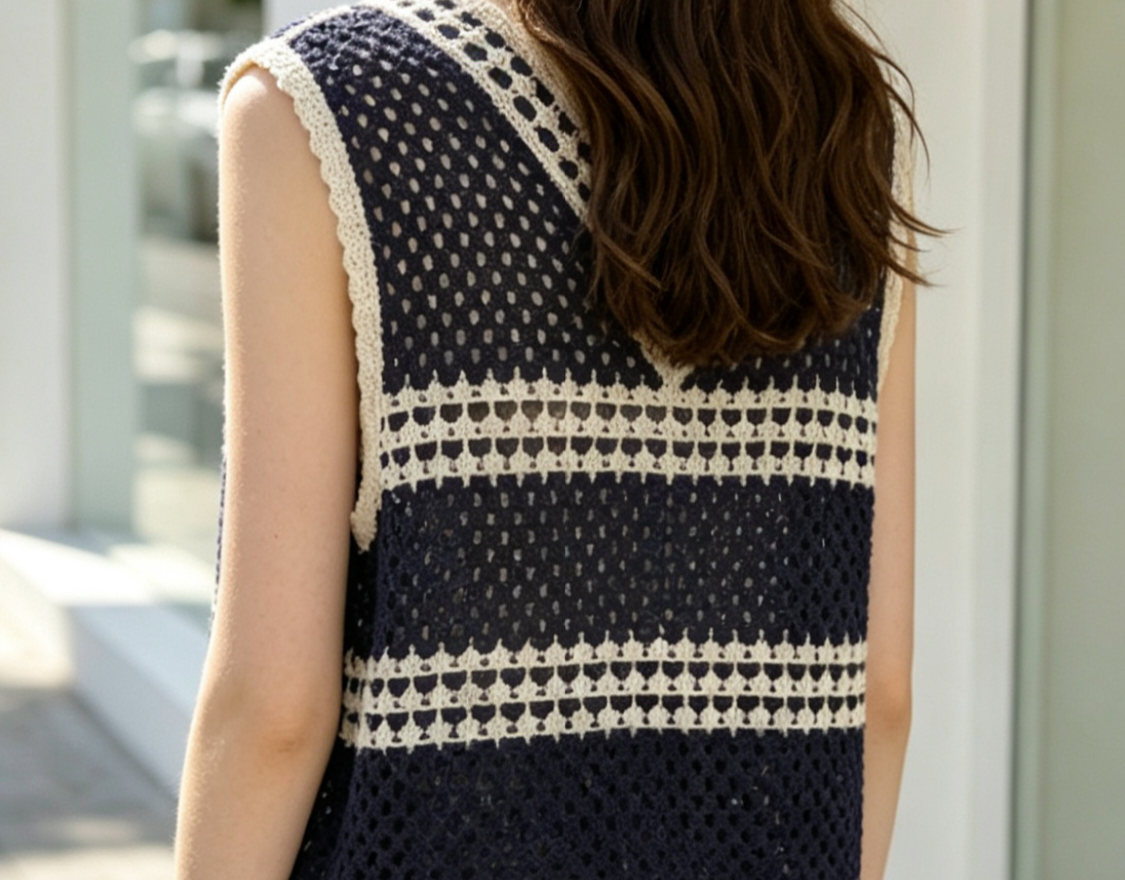
A crochet-style product looks simple on the surface, but the sourcing process is rarely simple. The final result depends on yarn selection, stitch formation, density control, pattern consistency, finishing, seam quality, and how well the garment holds its shape after packing and transport. A buyer who only reviews a photo or a quote often misses the hidden work behind the product.
This is exactly why supplier model selection matters. A trading company may present a broad catalog and move quickly between product types, but the actual manufacturing may be spread across different partner factories. That can work well for mixed orders, but it can also create variation from one reorder to the next. A source factory usually offers more direct visibility into machine allocation, sample revision, bulk scheduling, and quality checkpoints, which is especially important for acrochet garmentwhere small production deviations are easy to see.
For brands and retailers, the sourcing model should match the business model. A fashion brand that depends on consistent fit and repeat buys usually needs stronger production discipline than a one-off wholesale purchase. An e-commerce seller that needs quick assortment testing may value speed and flexibility. A large compliance buyer may care most about documentation, audit readiness, and the ability to support long-term replenishment. The wrong supplier structure can cause missed launches, inconsistent color matching, delayed shipment, or margin erosion from avoidable rework.
In other words, the question is not whether a trading company or a source factory is always better. The real question is which one gives you the lowest operational risk for your specificcrochet garmentprogram.
Technical and Sourcing Criteria Buyers Should Evaluate
Before choosing a supplier, buyers should compare not only price but also process ownership, development depth, and production control. The following criteria are especially important for crochet-inspired products and related specialty apparel.
1. Process ownership
Ask who actually controls the sampling, material sourcing, production planning, and final inspection. A trading company may coordinate these steps across several factories, while a source factory often manages them in-house. Direct ownership usually improves traceability and reduces the number of handoffs.
2. Sampling accuracy
For acrochet garment, the sample must reflect the final texture, density, and silhouette closely enough for commercial approval. Buyers should ask how many rounds of revision are usually needed, whether technical packs are reviewed by production staff, and how the factory converts design intent into mass production instructions.
3. Capacity and lead time reliability
Specialty garments often need more care in production scheduling than basic knitwear. Buyers should understand daily output, machine availability, labor allocation, and whether the supplier can absorb peak-season demand without pushing back delivery dates. A supplier with stable throughput is more valuable than one offering a lower unit price but weak delivery control.
4. Compliance and audit readiness
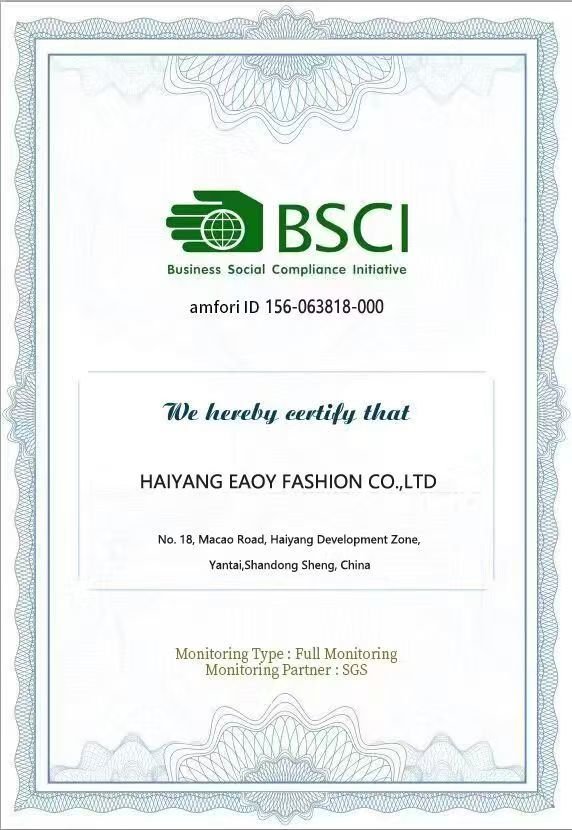
For global buyers, documentation matters. Ask whether the supplier can support the compliance requirements you need for onboarding, order release, and inbound approval. Eaoy Fashion states that it holds current BSCI certification and has passed a Walmart factory audit, which are useful signals for buyers managing compliance-heavy programs. Always verify the latest documents during due diligence.
5. Quality control discipline
Quality control for this product type should cover measurements, appearance symmetry, panel alignment, stitch consistency, and finishing quality. Buyers should confirm whether the supplier uses in-line inspection, final inspection, and packing checks, and how defects are classified and corrected before shipment.
6. Communication and change control
When an order needs a change in yarn, sizing, label, or packaging, how fast can the supplier respond? Trading companies may be flexible in communication, but factories often offer more direct feedback on production impact. Strong change control is essential when working under retail calendars or e-commerce launch windows.
A practical buyer checklist should include these questions:
– Who is responsible for the actual production line?
– Can the supplier share development timelines and bulk production milestones?
– How is size stability controlled across repeated orders?
– What inspection points are used before packing and shipment?
– Can the supplier support reorder continuity for the same crochet garment style?
How Eaoy Fashion Solves the Production Challenge
Eaoy Fashion was established in 2016 in Haiyang, Shandong, and was built on a clear sourcing idea: use modern industrial efficiency to deliver traditional handcraft beauty at scale. The company focuses on computer embroidery and imitation crochet, which helps brands achieve the visual effect of handcrafted texture while keeping production more stable, repeatable, and commercially viable for bulk orders.
As a source factory, Eaoy Fashion combines design support, product customization, and bulk manufacturing under one system. This is especially useful when a buyer wants to develop a specialcrochet garmentline without managing multiple vendors for design, sampling, and production. The company reports more than 9,000 square meters of space, over 200 employees, and more than 60 advanced machines, with a daily capacity of up to 5,000 pieces. For large programs, that level of scale can improve order continuity and reduce the risk of bottlenecks.
From a sourcing perspective, Eaoy Fashion is built to support OEM/ODM workflows. That means buyers can move from concept and tech pack to fabric development, sample approval, and bulk production with a single accountable partner. This matters for compliance buyers because fewer transfer points usually mean fewer errors, clearer accountability, and better alignment between commercial requirements and technical execution.
The company also states that it has current BSCI certification and has passed a Walmart factory audit. For enterprise buyers, this is relevant because compliance documentation is often a prerequisite for onboarding, product approval, or vendor qualification. Buyers should still conduct their own verification during procurement, but this type of audit readiness can shorten the qualification path.
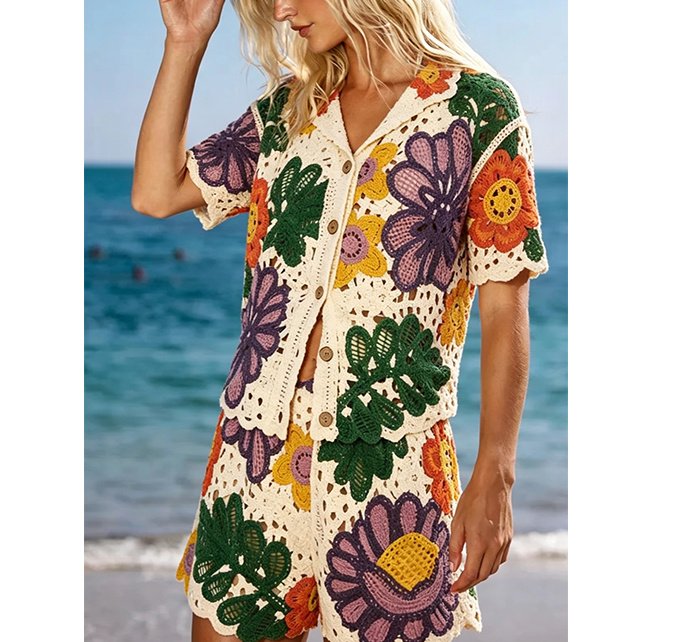
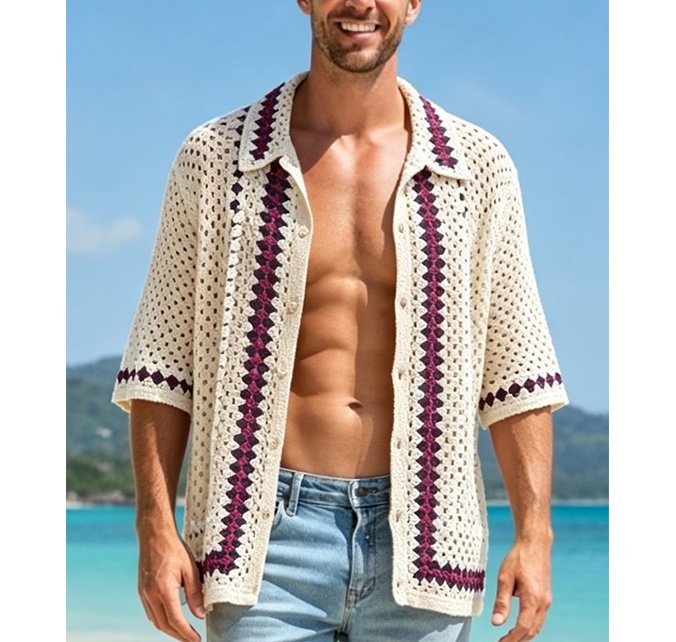
Another advantage is product breadth. While the core capability is strongest in women’s apparel, the same specialty techniques can extend into men’s wear, children’s wear, bags, accessories, and home textiles. That gives buying teams more flexibility when they need coordinated assortments or related programs across multiple categories. To explore the current range, buyers can review theproduct pageor read more company updates in thenews section.
For brands seeking a lower-risk development partner, the value proposition is straightforward: keep